

Publications and news
Find peer-reviewed publications pertaining to the Seabright technology or references to it in the news. Use the links to filter the publication page by category.
Filter the posts based on the following categories:
homeRNA - All publications, Focus on stabilization, Focus on longitudinal studies
CandyCollect - All publications
homeAir - All publications
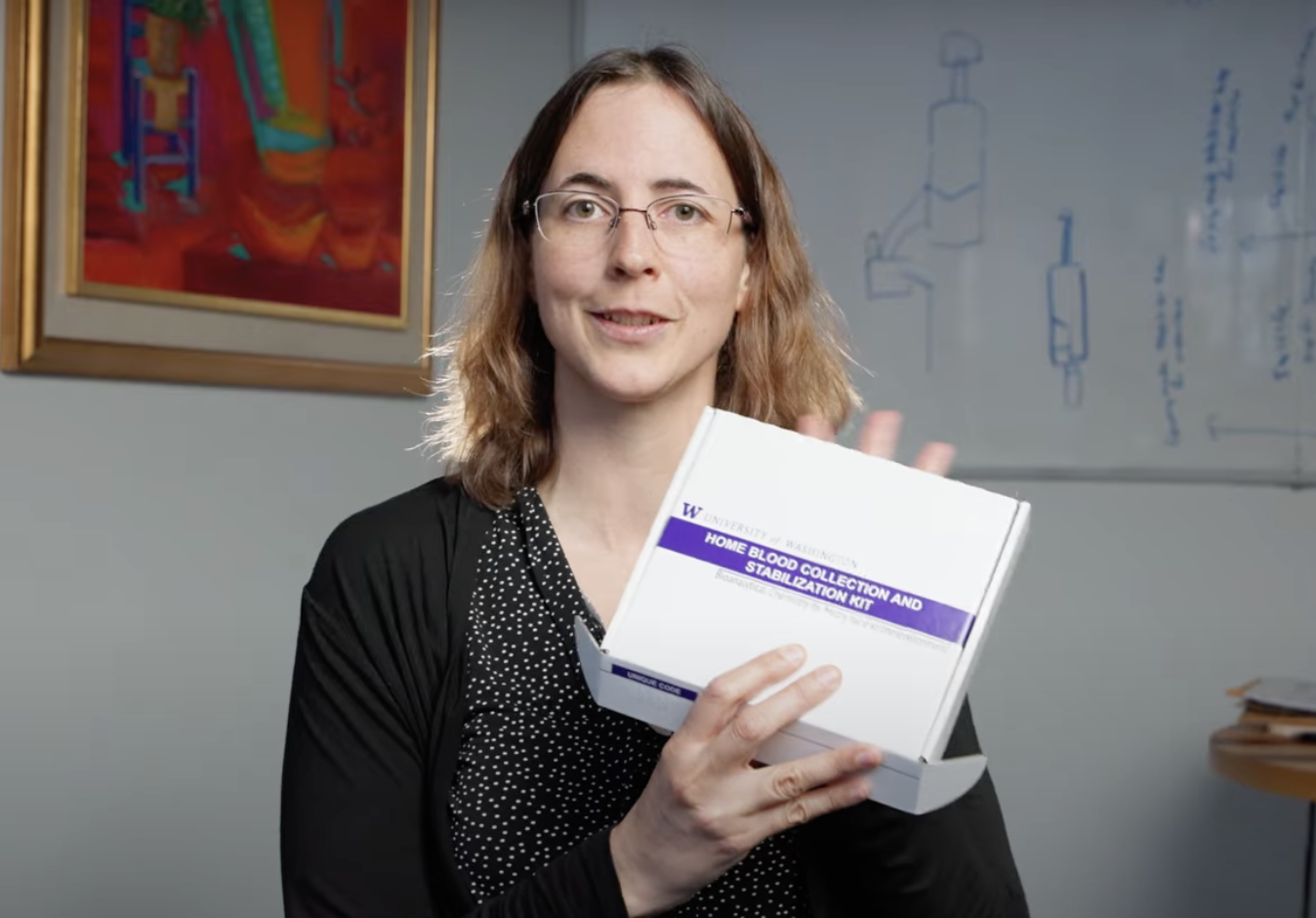
How a Simple Candy Could Transform At-Home Testing
The Packard Foundation features one of its grantees and her lab’s research. In this story, Prof. Theberge describes innovations such as the CandyCollect and homeRNA, a gentler alternative to the swab and a patient-friendly approach to transcriptomics that can be used anywhere in the world.
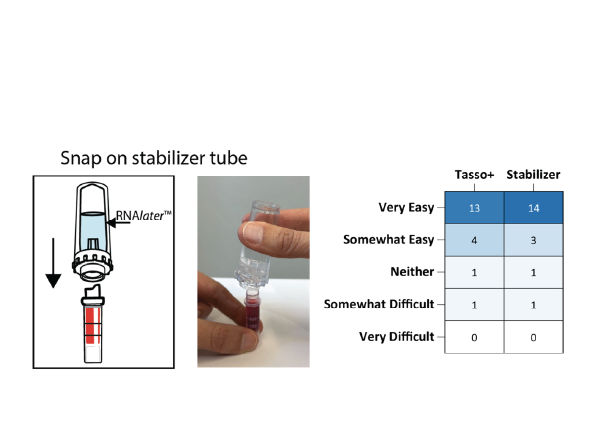
To the homeRNAmax: Developing an Improved Blood Self-Collection and Stabilization Platform for Remote Transcriptomic Studies
This study discusses the development of a new implementation of the homeRNA platform that interfaces with the commercially available BD Microtainer, therefore allowing homeRNAmax to be used with any blood collection method that uses this tube for more blood volume to be collected. The authors also conducted a pilot study where they show that homeRNAmax produces RNA samples of sufficient quality (mean RIN=7.8) and yield (mean yield=1.93 μg) for downstream analysis.
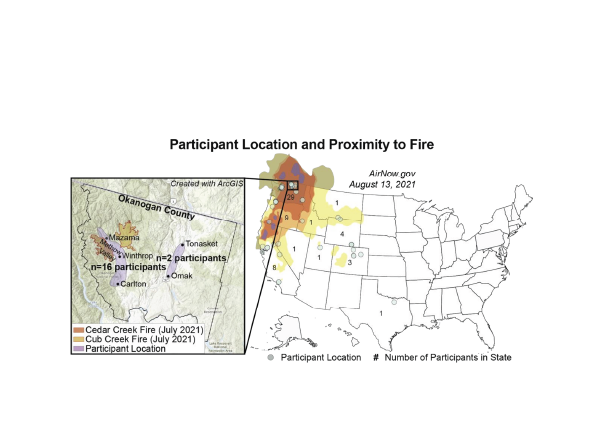
A Flexible and Responsive Remote Study Design to Assess Gene Expression Changes During Wildfire Smoke Exposure with homeRNA, an At-home Blood Sampling Kit
Transcriptomic responses to wildfire smoke are difficult to study given the unpredictability of wildfires and the challenges of collecting blood during active disasters. To overcome these challenges, the authors demonstrate a flexible study design leveraging homeRNA. Between June 2021 and April 2022, 58 participants across 10 U.S. states collected 635 blood samples before, during, and after wildfire events.
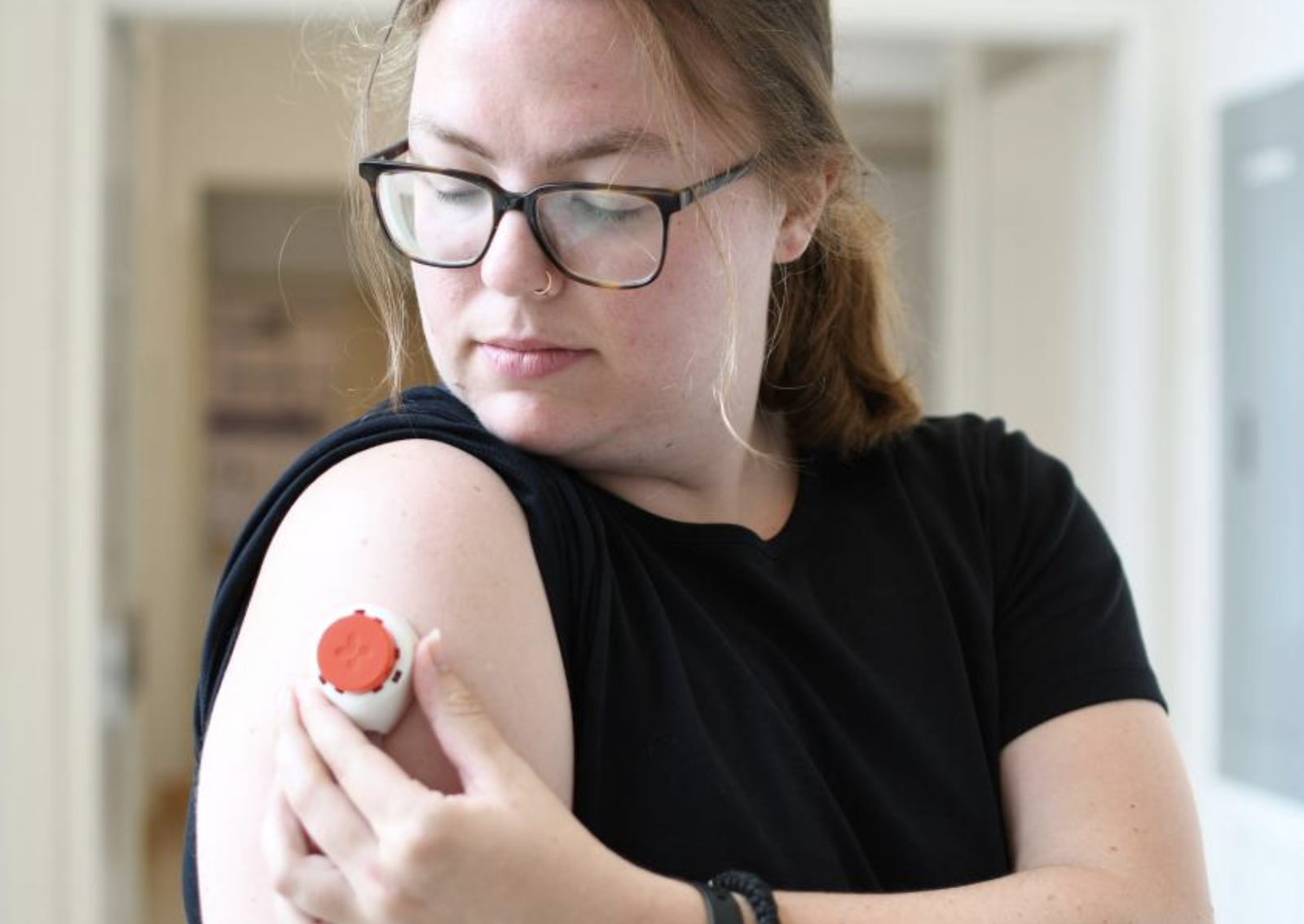
Sparking biochemical insights into wildfire smoke exposure
As wildfire seasons grow longer and more intense, understanding how smoke affects our bodies is more critical than ever. A recent story from the University of Washington's Department of Environmental & Occupational Health Sciences (DEOHS) highlights how innovative "at-home" science is helping researchers crack the code on our immune responses to smoke.

These lollipops could ‘sweeten’ diagnostic testing for kids and adults alike
The American Chemical Society has highlighted a publication from its journal on the topic of CandyCollect - a lollipop-like pediatric sampling technology.
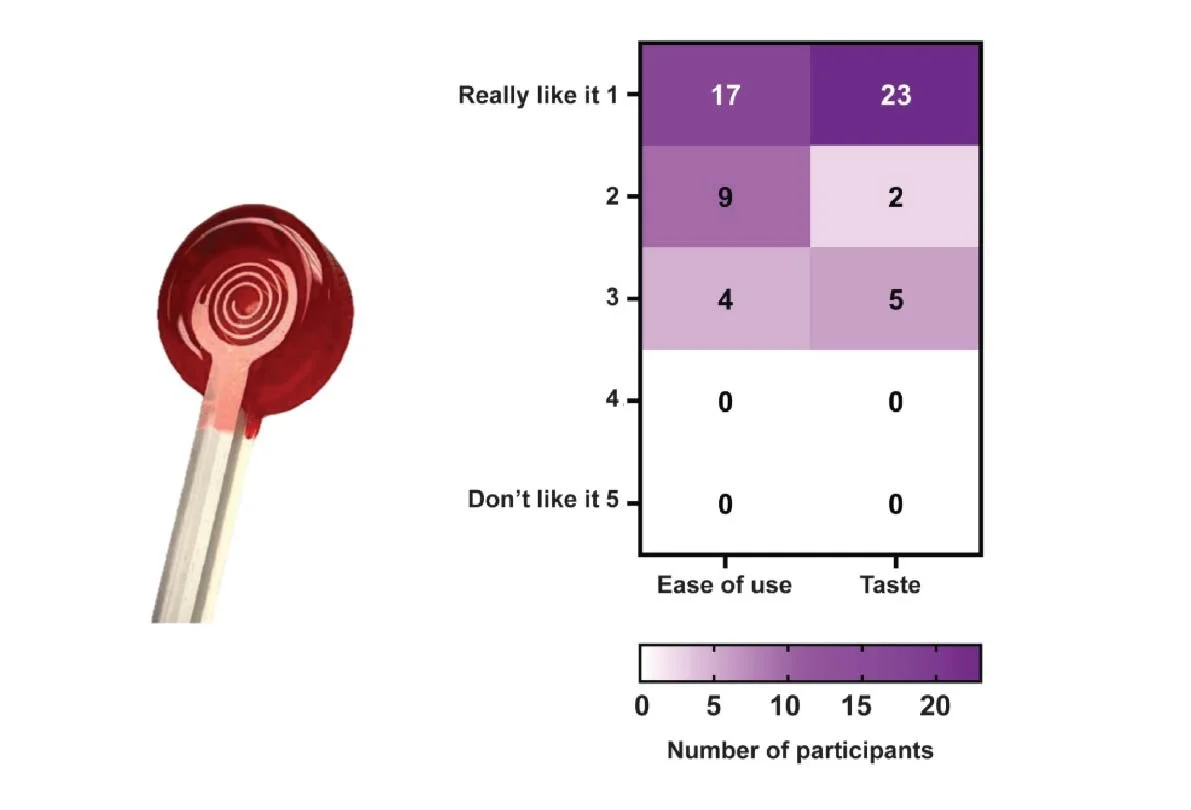
Capture of Group A Streptococcus by open-microfluidic CandyCollect device in pediatric patients
In this publication, the authors determined the efficacy of CandyCollect, a lollipop-inspired open-microfluidic pathogen collection device, to capture Group A Streptococcus (GAS) and compared user preference for CandyCollect, conventional pharyngeal swabs, or mouth swabs in children with pharyngitis and their caregivers.
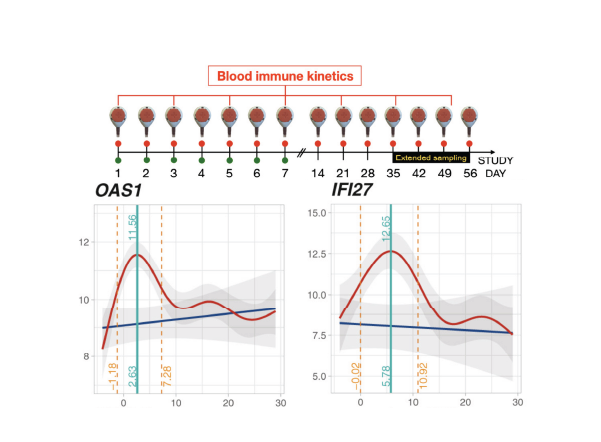
homeRNA self-blood collection enables high-frequency temporal profiling of presymptomatic host immune kinetics to respiratory viral infection: a prospective cohort study
In this nationwide prospective cohort study, the authors leveraged a Tasso-SST based self-blood collection and stabilization tool (homeRNA) to profile detailed kinetics of the presymptomatic to convalescence host immunity to contemporaneous respiratory pathogens.
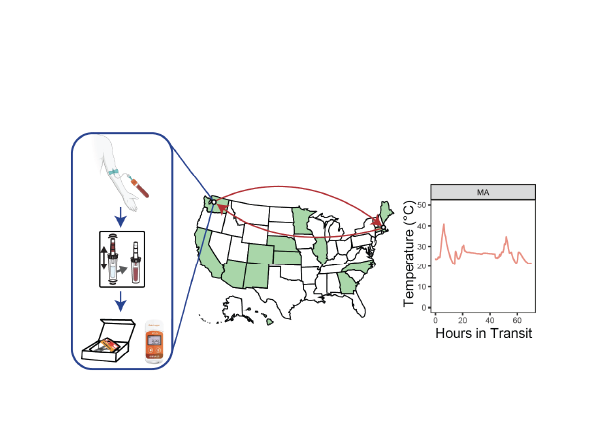
Your Blood is Out for Delivery: Considerations of Shipping Time and Temperature on Degradation of RNA from Stabilized Whole Blood
This study expands upon previous work on homeRNA through a systematic study exploring the effects of high temperature on RNA integrity (represented as RNA Integrity Number, RIN) through in-lab and field experiments.
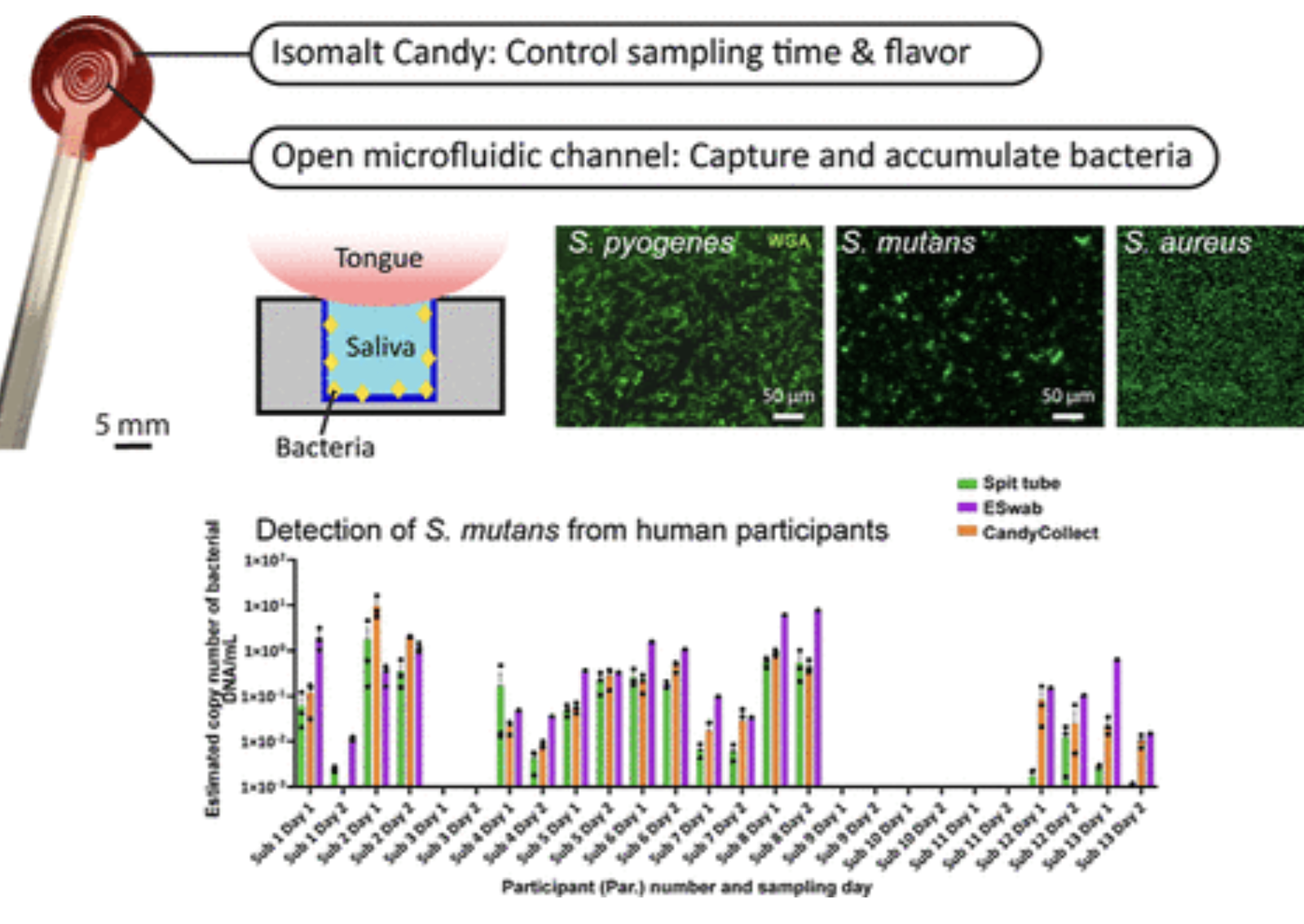
At-Home Saliva Sampling in Healthy Adults Using CandyCollect, a Lollipop-Inspired Device
In this publication, the authors performed the first human subjects study using the CandyCollect device, a lollipop-inspired saliva collection device. They demonstrated that (1) the CandyCollect device can be used to collect salivary bacteria from healthy adults, and (2) the CandyCollect device was ranked the highest preference sampling method among the three sampling methods.
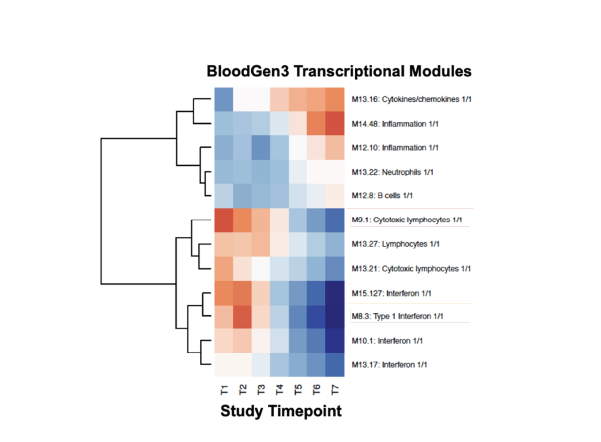
Longitudinal home self-collection of capillary blood using homeRNA correlates interferon and innate viral defense pathways with SARS-CoV-2 viral clearance
This study presents an at-home self-collection methodology using homeRNA to study the host transcriptional response during acute SARS-CoV-2 infections. This method uniquely enables high frequency measurement of the host immune kinetics in non-hospitalized adults during the acute and most dynamic stage of their infection.
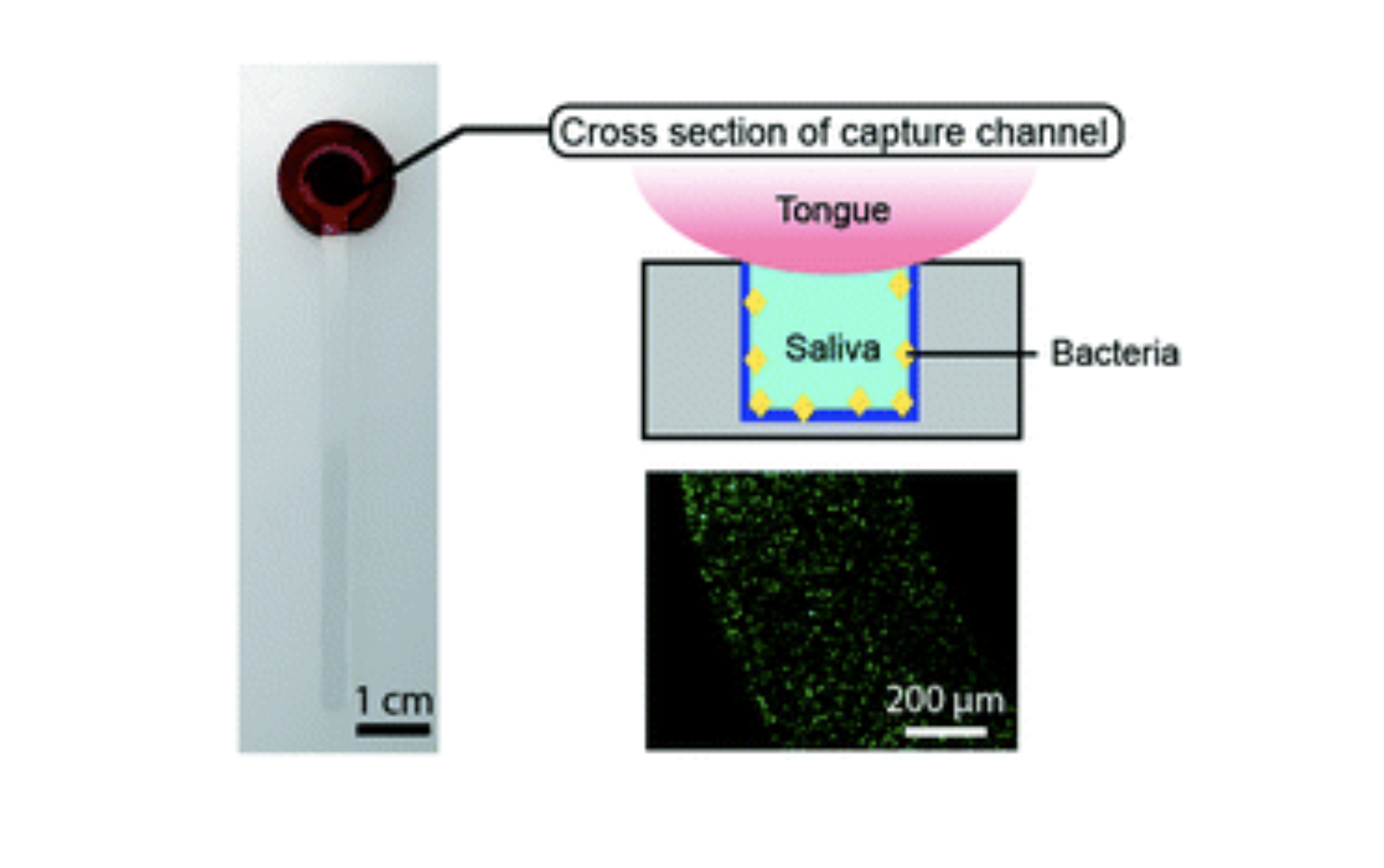
CandyCollect: at-home saliva sampling for capture of respiratory pathogens†
To improve the testing experience for strep throat, the laboratory of Prof. Theberge developed a novel lollipop-inspired sampling platform (called CandyCollect) to capture bacteria in saliva. The device can be used in clinics or in the home and shipped back to a lab for analysis, integrating with telemedicine.
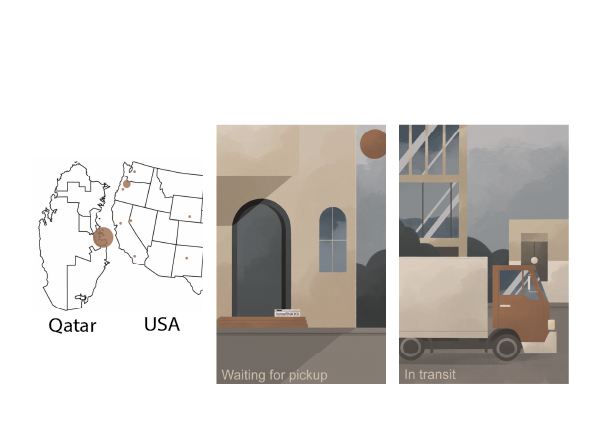
At-home blood collection and stabilization in high temperature climates using home RNA
This study investigated the robustness of the home RNA kit in high temperature settings via two small pilot studies in Doha, Qatar (no. participants = 8), and the Western and South Central USA during the summer of 2021, which included a heatwave of unusually high temperatures in some locations…
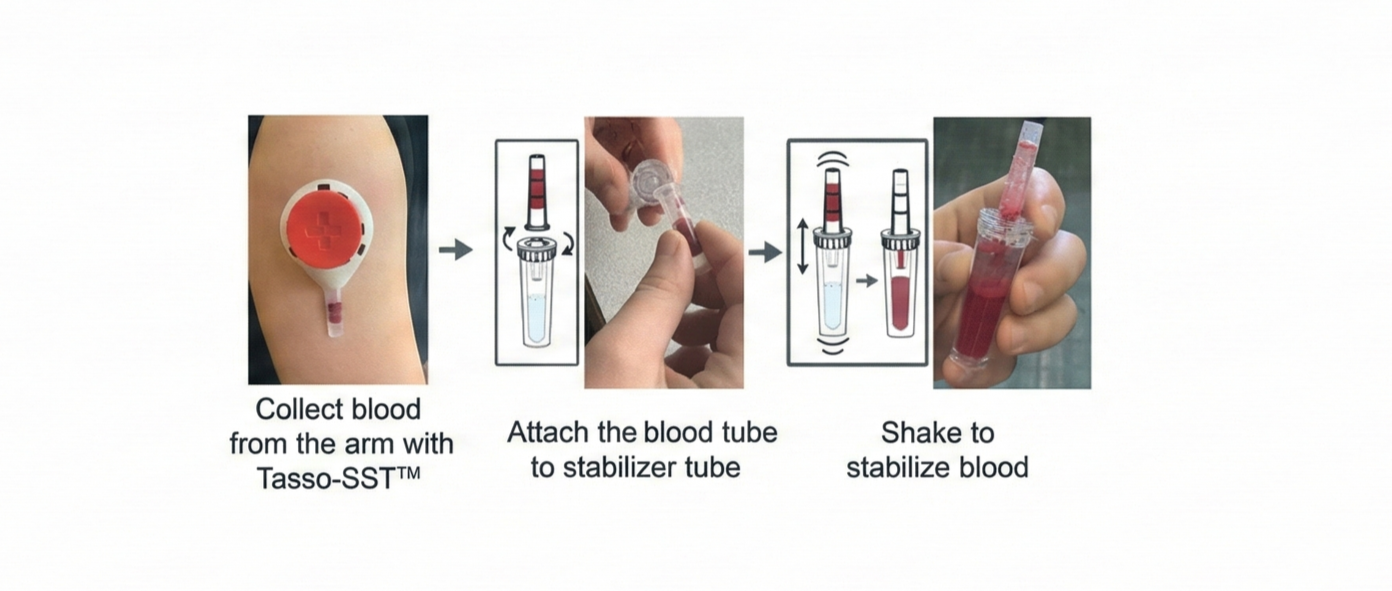
homeRNA: A Self-Sampling Kit for the Collection of Peripheral Blood and Stabilization of RNA
homeRNA: a kit for self-collection of peripheral blood (∼0.5 mL) and immediate stabilization of cellular RNA, using the Tasso-SST blood collection device with a specially designed stabilizer tube containing RNAlater.
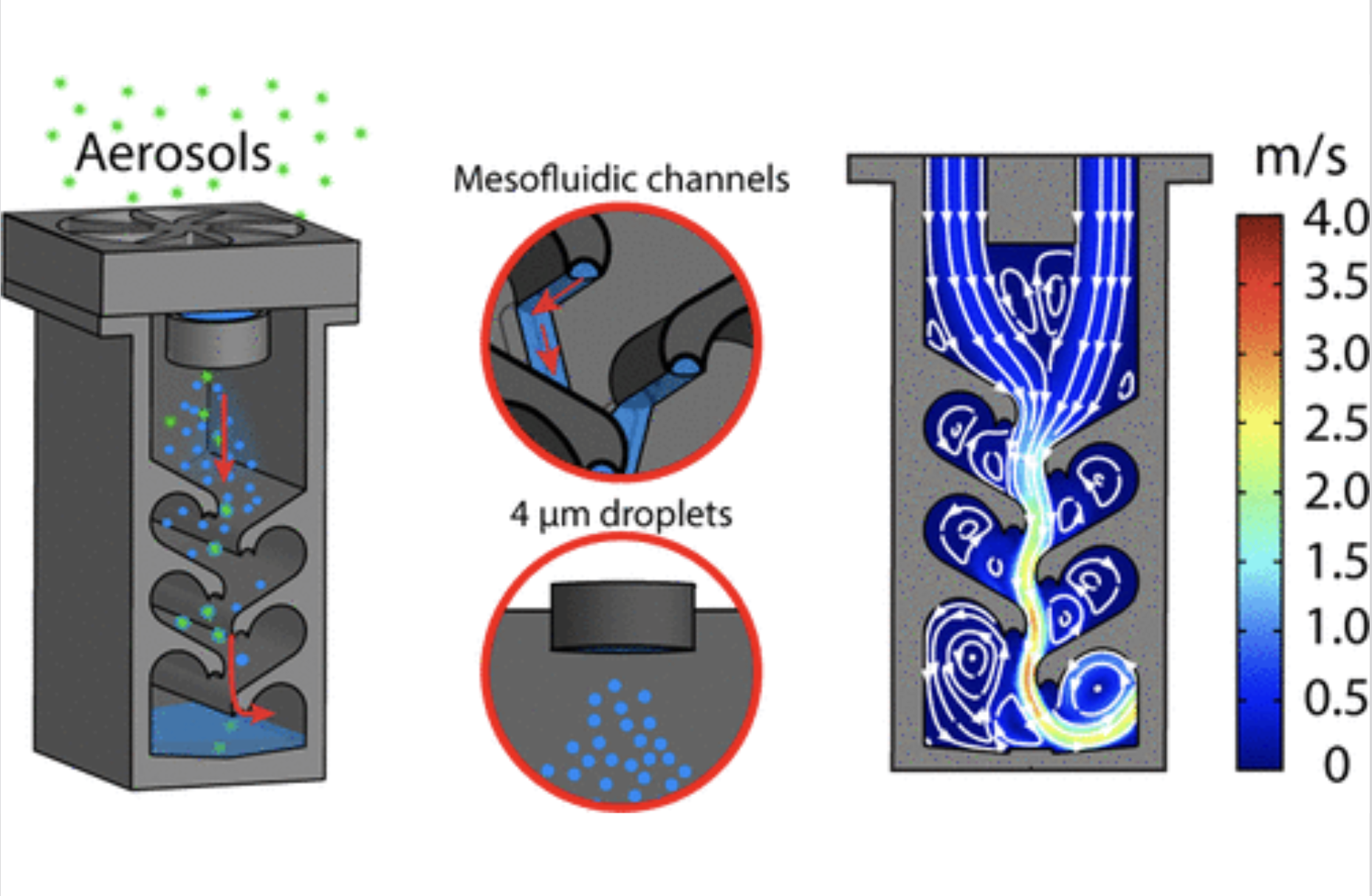
Miniaturizing Wet Scrubbers for Aerosolized Droplet Capture
Inspired by wet scrubbers, the authors developed a device fundamentally different from existing portable air samplers by using aerosolized microdroplets to capture aerosols in personal spaces (e.g., homes, offices, and schools). The aerosol-sampling device is the size of a small teapot, can be operated without specialized training, and features a winding flow path in a supersaturated relative humidity environment, enabling droplet growth.